FBM Distinguished Lecture丨Generative Artificial Intelligence (GenAI) Impact on Technostress of Teachers
On the morning of December 12, 2025, the "Distinguished Speaker Lecture," hosted by the School of Business Administration, was successfully held in Classroom T2-306. The lecture specially invited Prof. SIAU Keng Leng, a professor from the School of Computing and Information Systems at Singapore Management University and an Honorary Distinguished Professor at the School of Business Administration of Beijing Normal University-Hong Kong Baptist University United International College (UIC). Under the theme "The Impact of Generative Artificial Intelligence on Technostress Among Teachers," he engaged in an in-depth sharing session with the faculty and students of our university. The lecture attracted enthusiastic participation from teachers, postgraduate students, and undergraduates across various colleges.
Prof. SIAU pointed out that generative artificial intelligence, represented by ChatGPT, is becoming a disruptive force in higher education. While it brings convenience to teaching and research, it also imposes significant technostress and identity challenges on educators. He emphasized that this stress not only concerns the use of tools but also touches upon teachers' occupational well-being, professional development, and self-positioning.
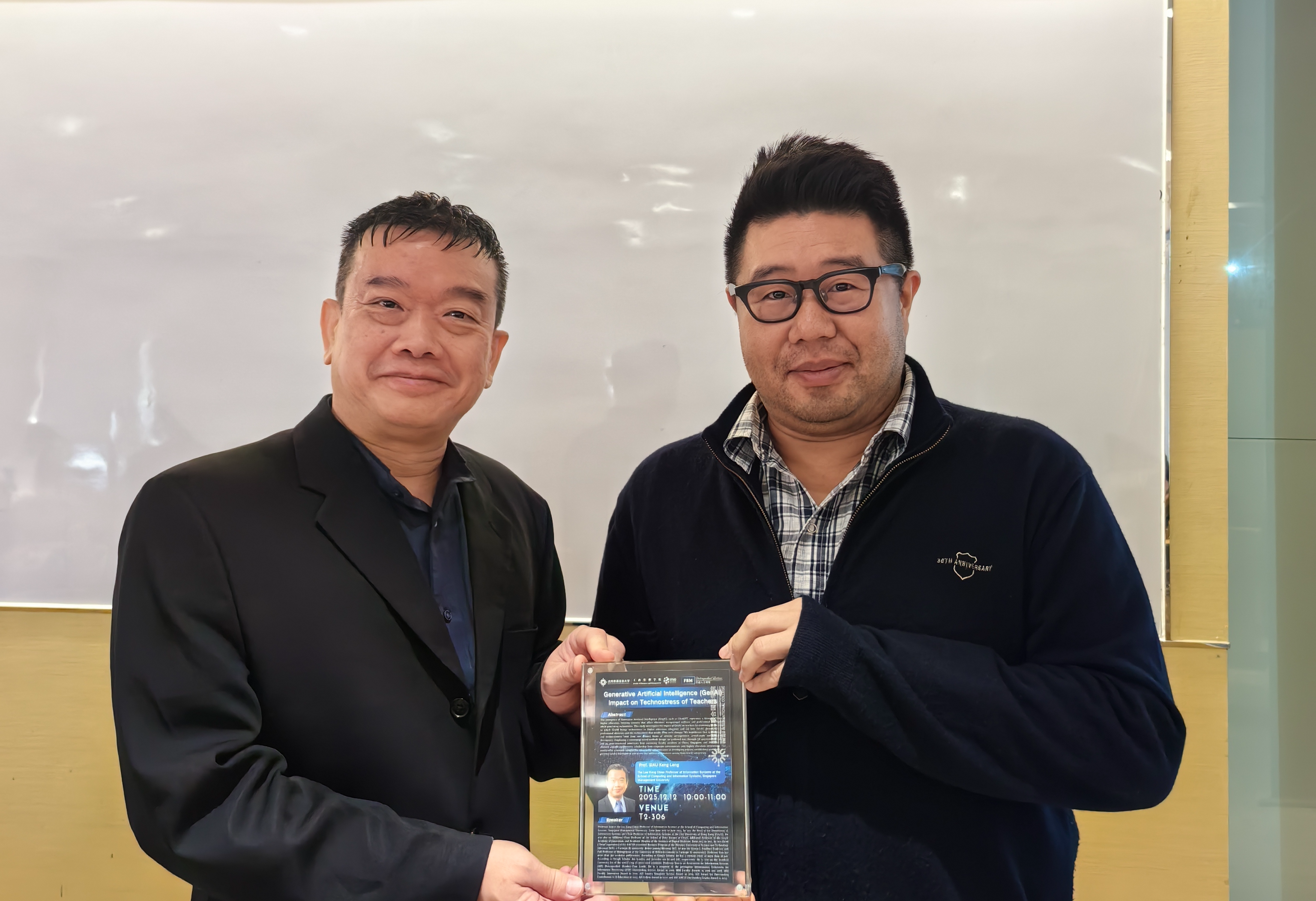
Prof. Adolf NG, Dean of FBM, presented a souvenir to Prof. SIAU Keng Leng
During the research presentation segment, Prof. SIAU collaborated with his research team member, co-author of the paper, and former UIC undergraduate—Ms. Shelley HUO, a current Ph.D. candidate at Singapore Management University—to clearly present the core data, methodology, and key findings of the study. Based on 136 questionnaire surveys and 24 semi-structured interviews from universities in China, Singapore, and Malaysia, the study employed a convergent mixed-methods approach to explore two core questions in depth: first, to what extent does generative artificial intelligence cause technostress among educators; and second, how does it reshape teachers’ professional identity, and how does this identity shift further exacerbate stress. Prof. SIAU proposed that technostress can manifest as both "positive stress" and "negative stress," with its roots traceable to two types of identity misalignment: the gap between one’s actual role and expected role, and the gap between one’s actual role and ideal role.
The study found that the rapid adoption of generative AI has led many teachers to feel the need to continuously learn new technologies. Some view this as an opportunity for professional development, while others experience burnout due to anxiety and difficulty adapting. This stress exhibits distinct characteristics across different cultural contexts but commonly affects teachers' instructional design, assessment methods, and research directions.
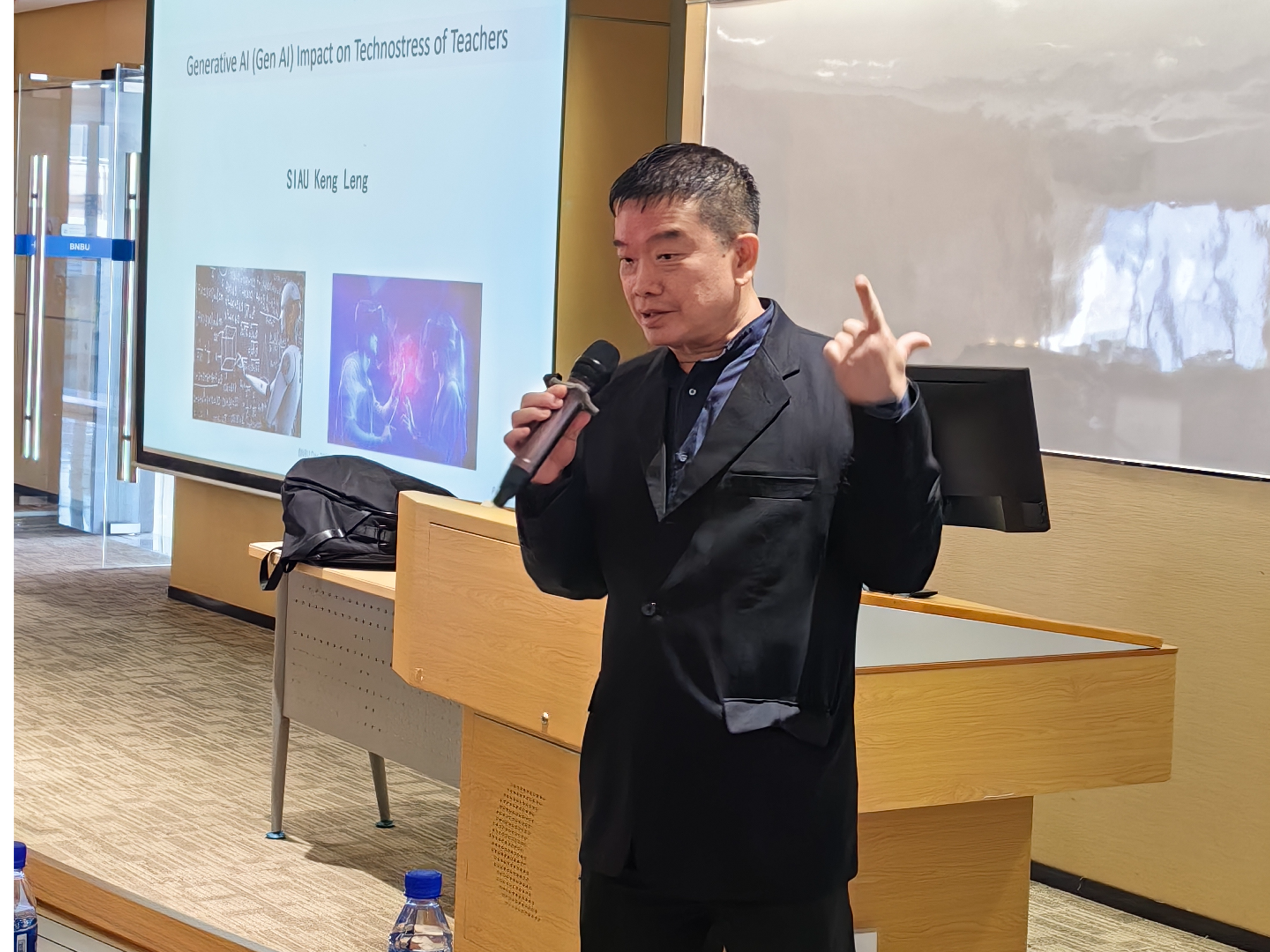
Prof. SIAU Keng Leng during the lecture
Prof. SIAU further emphasized that the study extends the discussion of technostress from corporate settings to higher education institutions, offering policy insights for university administrators: clear ethical and usage guidelines should be established, teacher support systems should be built, and targeted training programs should be implemented to help educators smoothly navigate the challenges of technological integration and transform stress into a driving force for development. Ms. Shelley HUO, as a key collaborator in the study, also shared specific insights from the data collection and analysis process during the presentation.
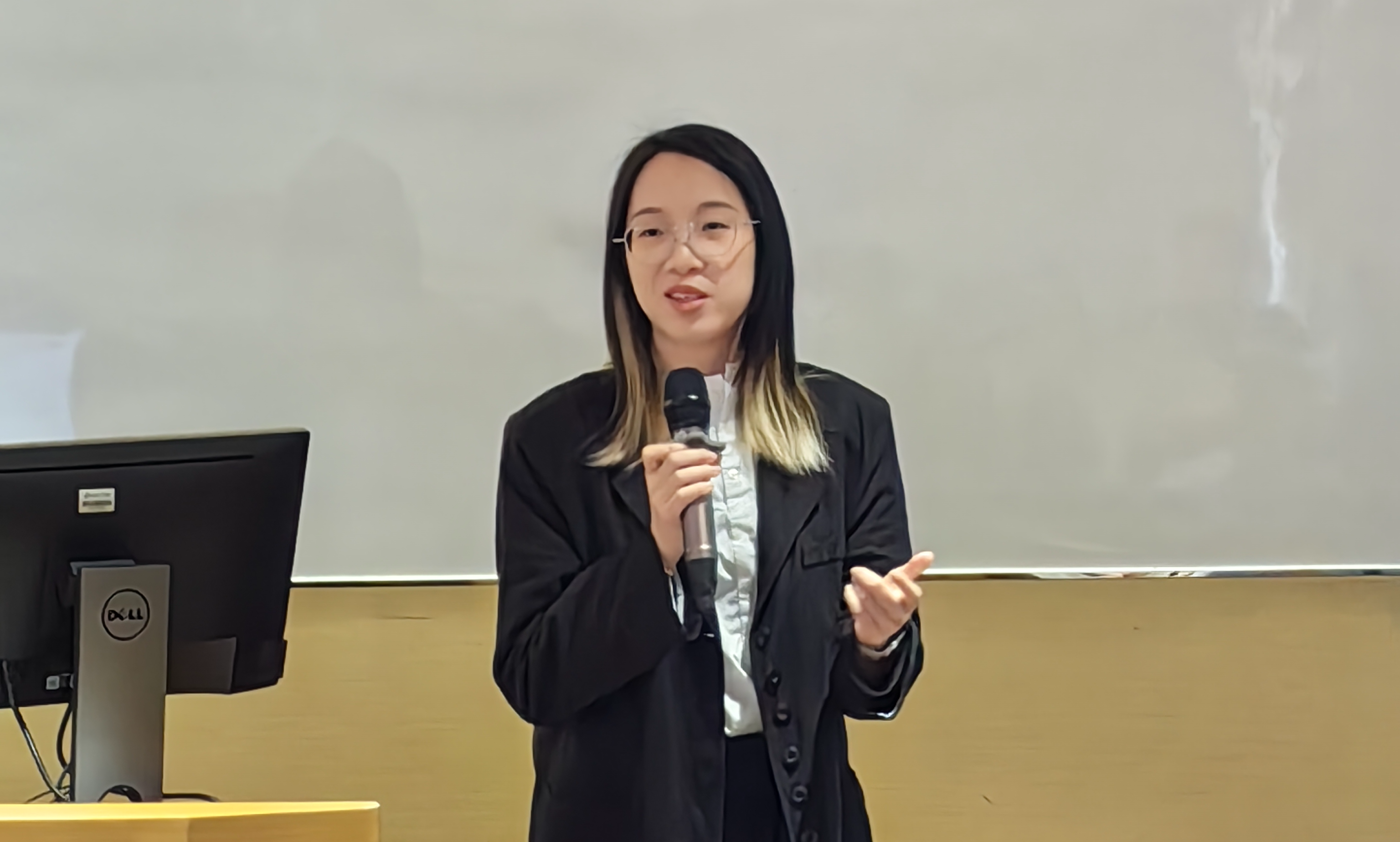
Ms. Shelley HUO during the lecture
During the Q&A session, faculty and students on-site engaged in a lively discussion with the professor on topics such as the boundaries of AI applications in education, cross-cultural comparative findings, and stress mitigation strategies. Prof. SIAU and Ms. Shelley HUO provided detailed responses to each question, drawing on their extensive cross-regional teaching and research experience.
Prof. SIAU is an internationally renowned scholar in the field of information systems. He has served as the Head of the Department of Information Systems at City University of Hong Kong and as the Dean of the School of Business at Missouri University of Science and Technology. He has published over 350 academic papers, which have been cited more than 28,500 times, and has long been ranked among the world's highly cited scientists. He has also received numerous honors, including being named a Fellow and Distinguished Member of the Association for Information Systems (AIS).
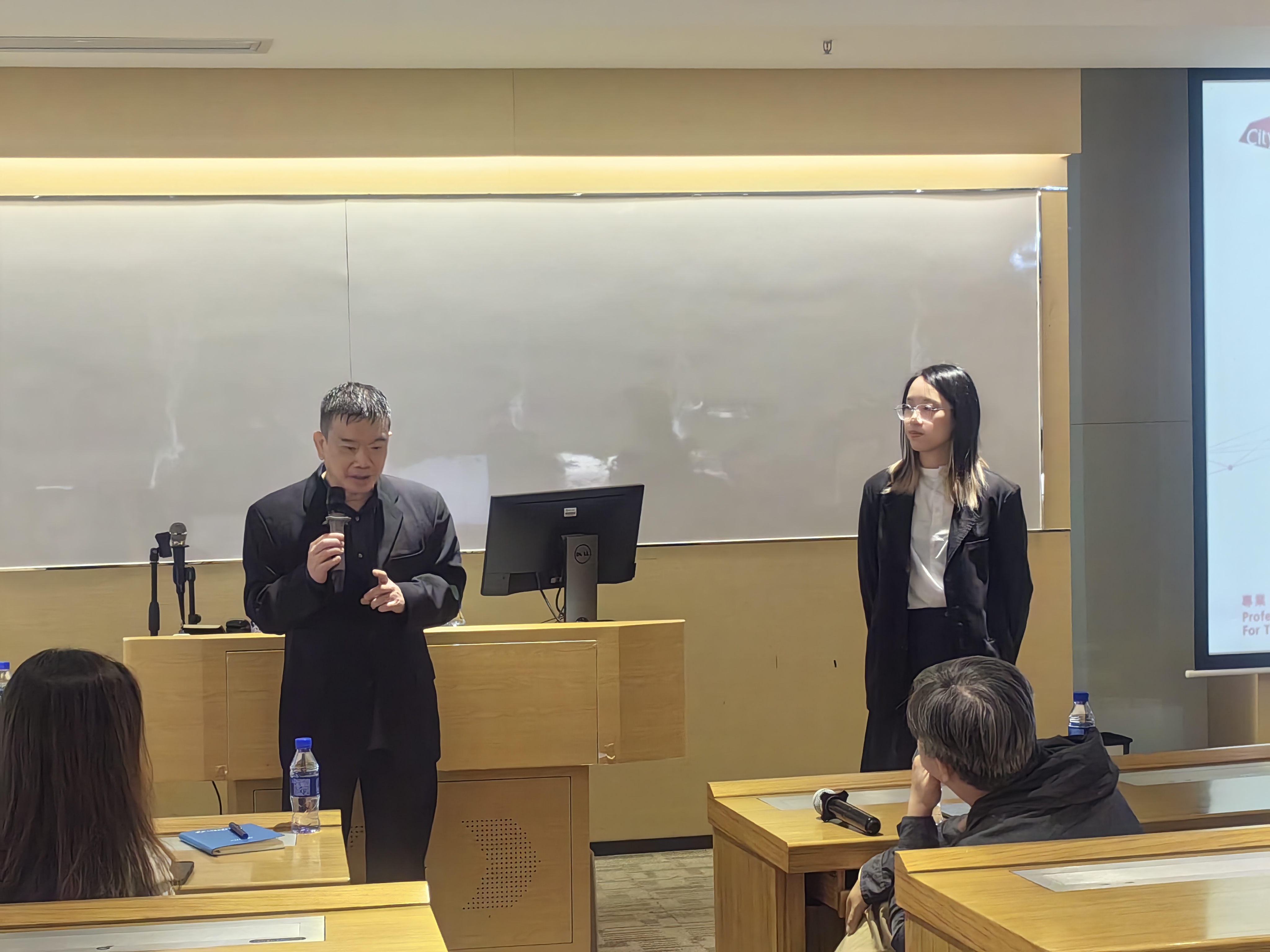
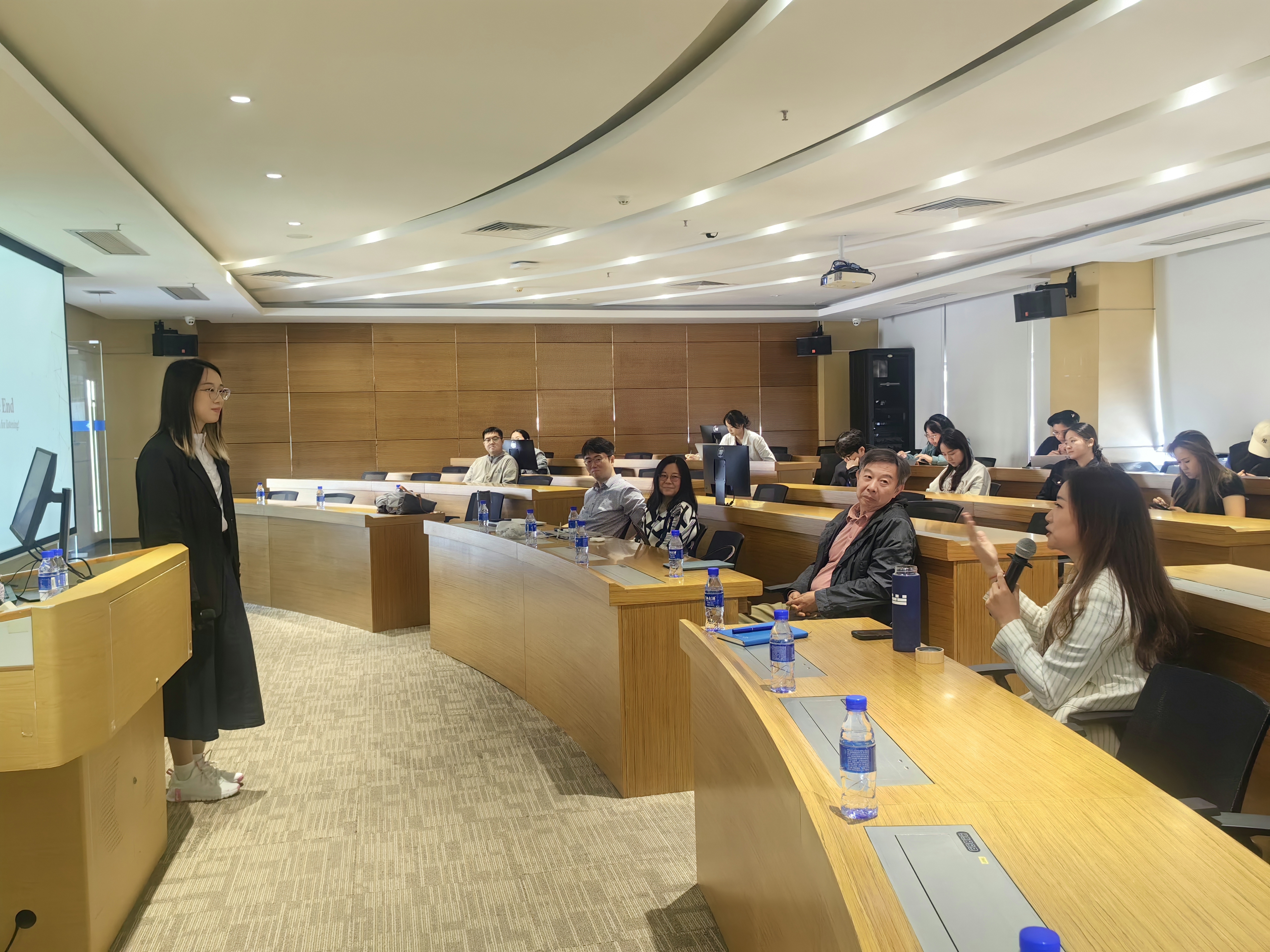
Q&A session
This lecture not only deepened the understanding of faculty and students regarding the impact of generative artificial intelligence on education but also provided international perspectives and empirical references for our university’s teaching development and faculty support in the era of intelligent education. The School of Business Administration stated that it will continue to invite renowned scholars from home and abroad to promote cutting-edge academic exchanges and disciplinary innovation.


